Creating Effective Branding Guidelines
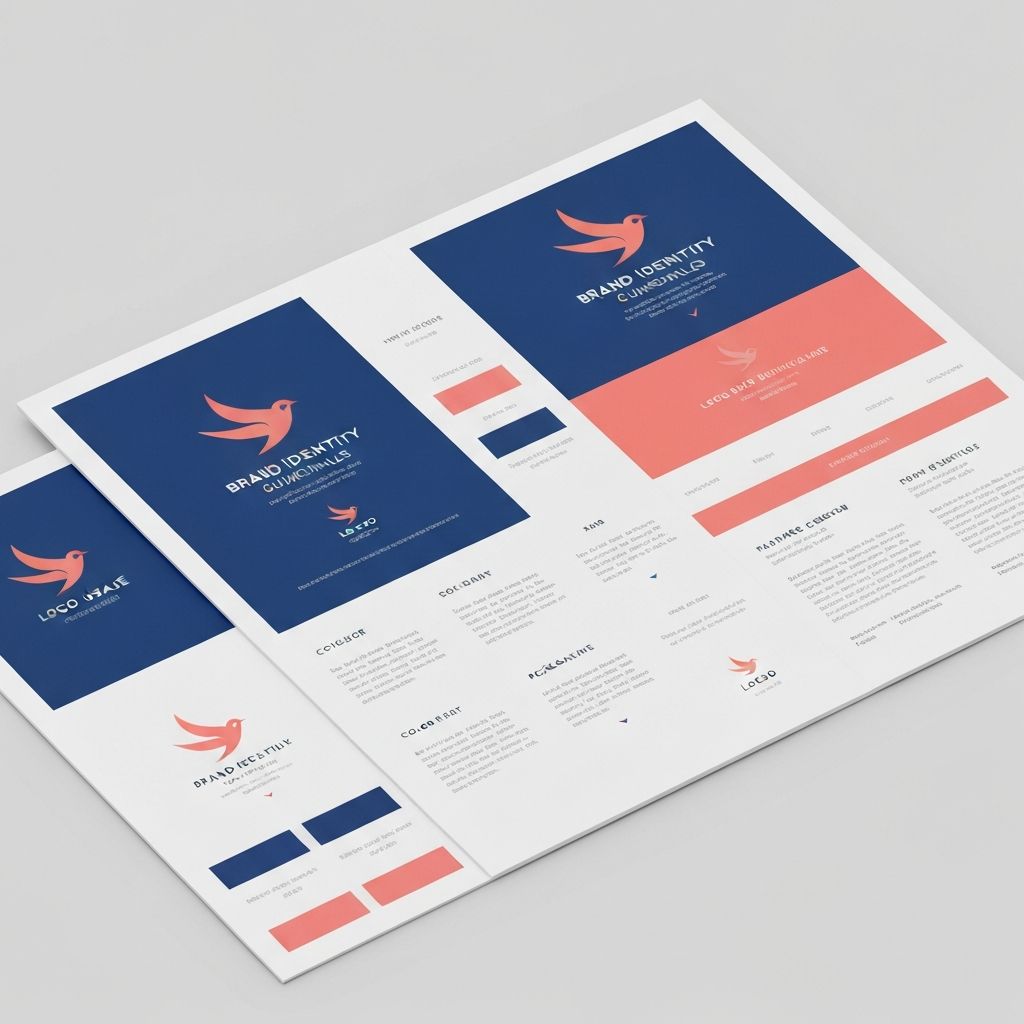
Strong branding guidelines ensure consistency across all touchpoints and create a cohesive brand experience. Well-documented guidelines help teams maintain brand integrity.
Essential brand elements: - Logo and visual identity - Color palette and typography - Voice and tone guidelines - Imagery style - Usage rules and examples
Invest time in creating comprehensive branding guidelines—they're the foundation of a strong brand.
Your brand is more than just a logo. It's the sum of all interactions customers have with your company. Branding guidelines ensure consistency across these touchpoints.
A well-designed logo is the face of your brand. It should be simple, memorable, and work across different contexts and sizes. Your guidelines should show how to use the logo correctly and when not to use it.
Color is a powerful tool for brand recognition. When you see the Apple or Coca-Cola colors, you immediately know which brand it is. Your brand colors should reflect your brand personality and work well across different backgrounds.
Typography is often overlooked but plays a crucial role in brand perception. Choosing the right fonts and defining their usage creates visual harmony and improves readability.
Voice and tone guidelines define how your brand communicates. Are you formal or casual? Professional or playful? Consistent voice and tone across all communications builds trust and recognition.
Imagery style contributes to your overall brand aesthetic. Whether you use photography, illustrations, or a mix, consistency in imagery creates a cohesive brand experience.
Finally, provide clear examples of what's correct and what's incorrect. Visual examples are more powerful than written descriptions alone. Include dos and don'ts to make your guidelines actionable for your team.
Category: Design